
Cold plunge benefits and how to do it safely
Cold plunge benefits and how to do it safely
It is quite common for athletes to take ice baths after competitions. In recent years, cold water immersion has grown increasingly popular among the public. More and more people have incorporated it into their daily health routines thanks to its wide range of potential health benefits. This article elaborates on the main advantages of cold plunges and explains how to perform them in a scientific and safe way.
What Is a Cold Plunge?
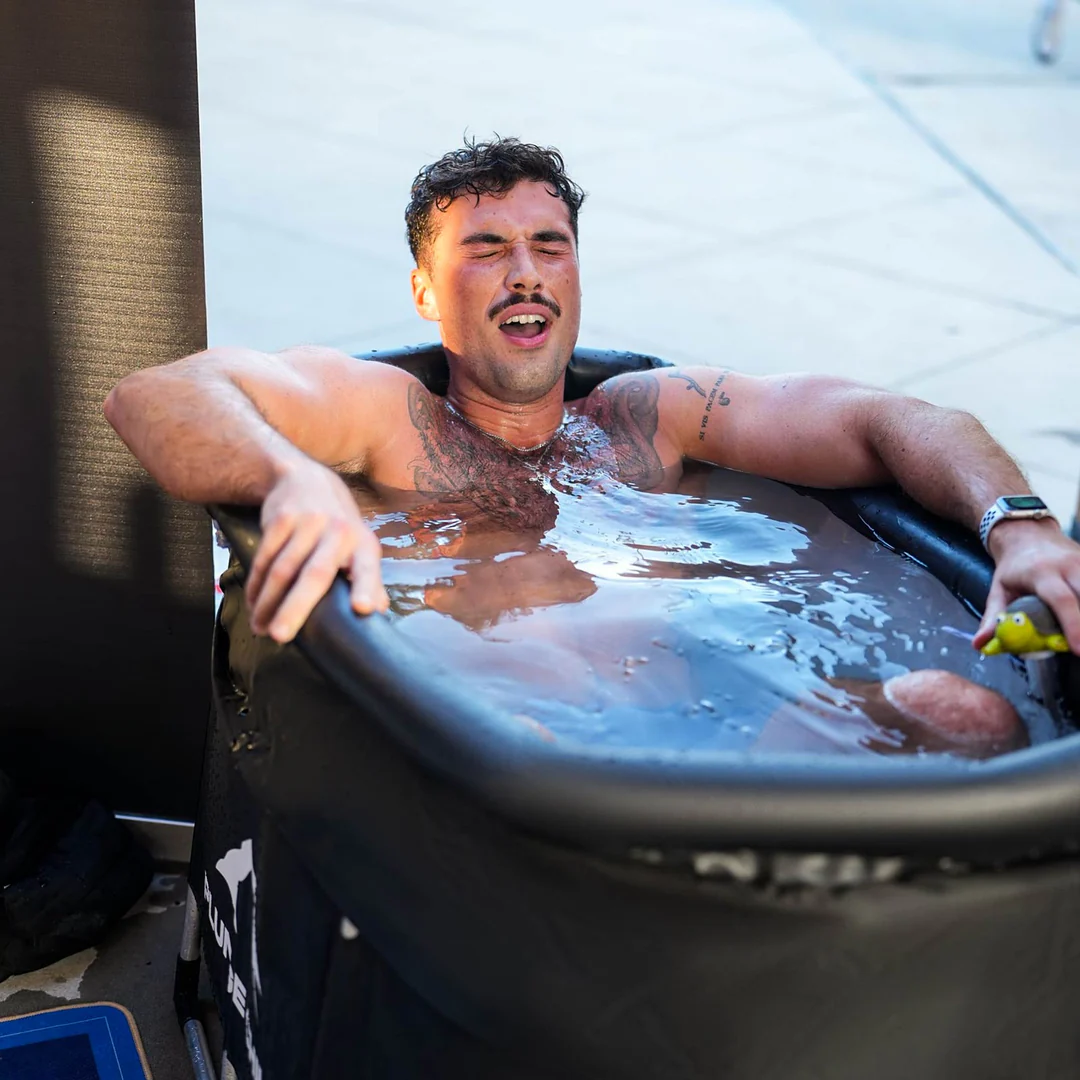
Also known as cold water immersion, a cold plunge refers to submerging part or all of your body in cold water for several minutes for health care purposes. You can sit in a cold-water bathtub or dive into natural cold water such as lakes, and the latter outdoor practice is often called polar bear swimming.
As a form of cold therapy, it works by exposing the human body to low temperatures to regulate physical conditions and maintain health. This practice boasts a long history dating back to ancient Egypt. The Edwin Smith Papyrus recorded that ancient Egyptians used cold temperatures to relieve inflammation and improve physical health. Ancient Greeks also took cold water immersion as a way to relax themselves and socialize with others.
Core Benefits of Cold Plunges
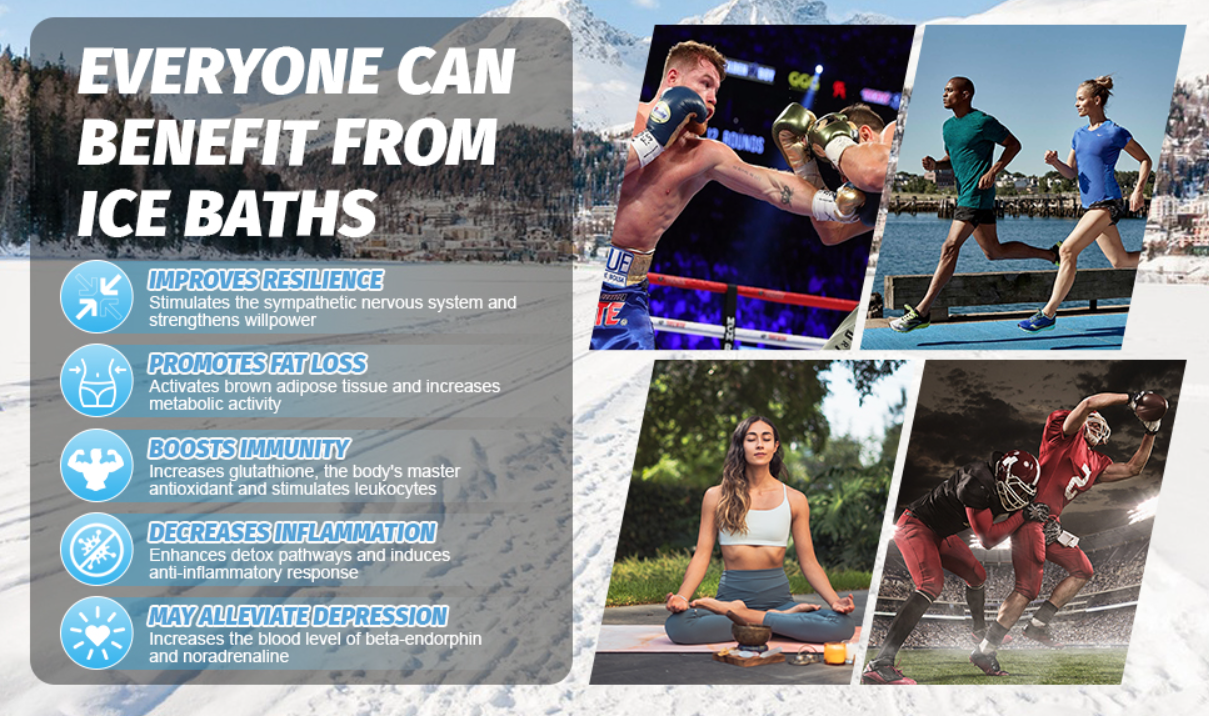
All the advantages derive from the body’s physiological reactions to cold water exposure. Its major benefits are listed as follows:
1. Boost Mood
Studies have proven that cold plunges can raise the level of dopamine, the happiness-related hormone in the brain, by 250%. Meanwhile, they help cut down the secretion of cortisol, the stress hormone, easing anxiety, calming emotions and improving mental well-being.
2. Raise Basal Metabolism
When exposed to low temperatures, the human body shivers voluntarily to generate heat and maintain body temperature. This process effectively speeds up resting metabolism, enabling the body to burn more calories even when you are at rest.
3. Stabilize Blood Sugar
Long-term regular exposure to cold environments can enhance human insulin sensitivity, which helps keep blood sugar levels in check. Shivering activates muscles and brings similar physical effects as physical exercise, assisting in blood sugar metabolism regulation.
4. Ease Sore Muscles
This is the main reason why athletes favor post-workout ice baths. Cold water constricts blood vessels, slows down local blood circulation, relieves post-exercise muscle swelling and soreness, and speeds up physical recovery.
Afe Rules for Cold Plunges
Safety comes first if you want to add cold plunges to your daily health regimen. Consult a doctor before your first attempt. People suffering from diabetes, heart disease, hypertension and other chronic illnesses, as well as those taking medicines that lower heart rate or blood pressure, are not suitable for cold plunges due to potential health risks.
Beginners need to adapt to cold temperatures step by step. You may start with cold showers before trying full-body immersion. Put your arms and legs into cold water first, and then immerse your whole body gradually to avoid discomfort caused by sudden cold stimulation.
Newbies are advised to stay in cold water for 30 seconds to one minute each time, and you can gradually extend the duration to 5 to 10 minutes as you get adapted. It is better to have someone stay nearby in case of emergencies.
Never warm up your body rapidly right after cold therapy. Avoid entering saunas or hot tubs immediately after cold plunges, as drastic temperature changes will place excessive strain on your body. The correct way is to dry yourself off, get dressed, and let your body warm up naturally and adapt to normal temperature slowly.
Ideal Water Temperature for Cold Plunges
To achieve ideal physical regulation effects, the optimal water temperature ranges from 50°F to 59°F (about 10°C to 15°C). New starters are recommended to begin with milder water at 55°F to 60°F (about 12.8°C to 15.6°C).
You can lower the water temperature properly as your cold tolerance improves. However, water below 50°F (about 10°C) may easily lead to hypothermia, frostbite and other adverse reactions, and the risks will rise sharply with longer immersion time, which must be avoided.
Advanced Health Care: Contrast Water Therapy
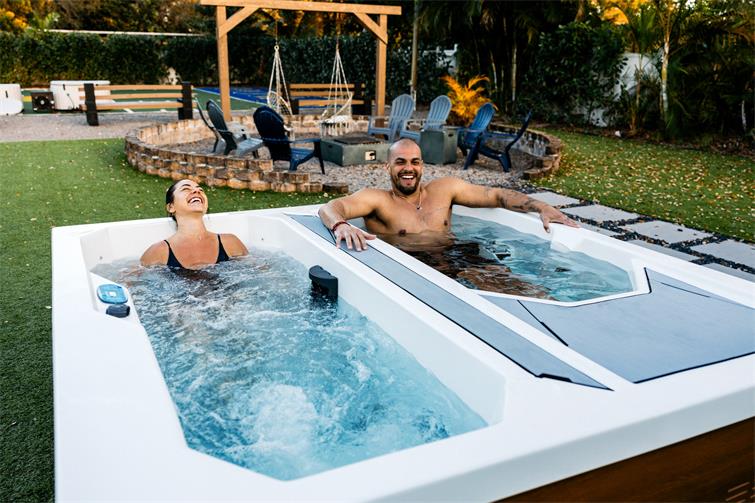
Contrast water therapy is an advanced form of cold plunge and a common physical therapy method, which effectively relieves muscle fatigue and body swelling after high-intensity workouts.
Here is how it works: immerse your whole body or partial body in hot water at 95°F to 113°F (about 35°C to 45°C) for up to 3 minutes first, then switch to cold water at 50°F to 59°F for no more than 1 minute, and repeat the process several times.
Cold temperatures constrict blood vessels while heat dilates them. Moderate alternation between hot and cold promotes blood vessel contraction and dilation, reduces inflammation and alleviates muscle pain. Similarly, consult a doctor in advance to confirm whether you are physically fit for this therapy.
Follow Your Body’s Signals
Cold plunges bring numerous health benefits to both athletes aiming for quick physical recovery and ordinary people wanting to improve overall health. Nonetheless, you must seek advice from doctors or professional coaches before making cold plunges or contrast therapy a regular habit to ensure personal safety.
Pay close attention to your physical reactions as well. Stop the practice at once if you feel severe discomfort or physical pain during cold therapy. You can choose other mind-body wellness methods that suit you better instead of persisting blindly.